
News
#its11pm hashtag and the power of Twitter
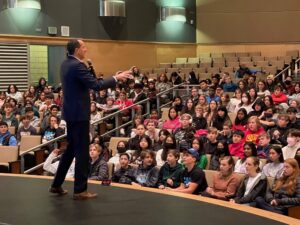
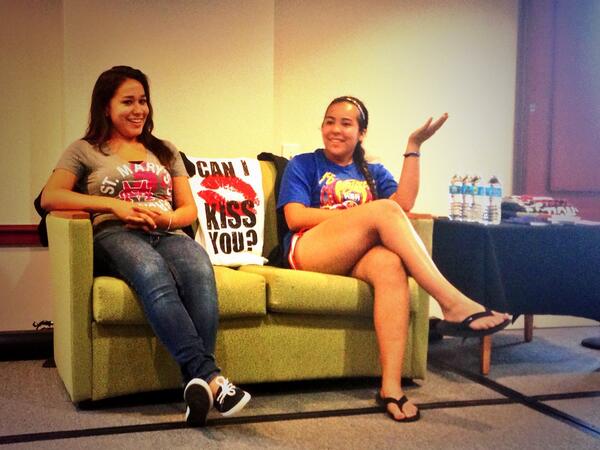
Unlike many educational presenters, our Founder, Mike Domitrz encourages audiences of the “Can I Kiss You?” Show to TURN THEIR PHONES ON to tweet throughout the

Unlike many educational presenters, our Founder, Mike Domitrz encourages audiences of the “Can I Kiss You?” Show to TURN THEIR PHONES ON to tweet throughout the
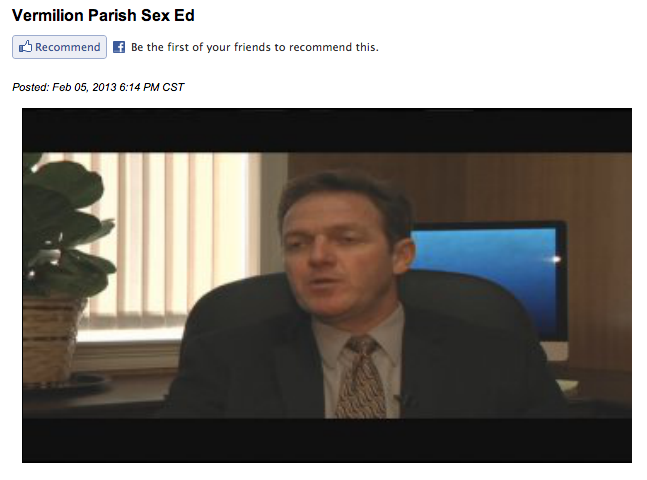
In Vermillion Parish, Louisiana, students made what would be considered an astounding request by many: they asked for more classroom time, and even more remarkably,

Who needs Sex Ed more? Parents or students (preteens or teens)? From Abstinence Only to Comprehensive Sex Ed, Sex Ed has various meanings and belief
This past week, much of our country learned about the Tyler Clementi suicide case (after fellow students humiliated him by posting a video of him in a private situation). How are you bringing this conversation about bullying and humiliating others into your home, your community, among your friends, colleagues, and family?
York University was another great show in Canada last night. The appreciation and respect for discussing respect AND survivors of sexual assault is inspiring. The
In the past 3 weeks of our Fall “Can I Kiss You?” Tour, we have had a record number of audiences choose to make videos for YouTube on Asking First. Depending on the campus culture, their statements are ranging from “XYZ University Asks First” to “XYZ University, we ASK for sex.” NOTE: The university officials in attendance ALWAYS have the final say on what we film for representing their campus. Here are 2 quick examples:
This Senior student at Bitburg Air Force Base High School makes a strong statement about asking first and supporting sexual assault survivors. The last 2 weeks was filled with speaking to wonderful groups of high school students throughout Air Force Bases in Europe.
This Senior student at Lakenheath High School makes a strong statement about consent and asking first.
A big THANKS goes out to the http://www.goodmenproject.org/ for recognizing our founder and Executive Director, Mike Domitrz. Check out the article at http://www.goodmenproject.org/

Click the PLAY button on the video to your left and begin watching over 600 students experiencing the “Can I Kiss You?” program at 8